
A child’s teeth start developing long before they appear. As children grow, they need a steady supply of nutrients to form strong teeth, build the surrounding bone and keep their gums healthy. Healthy eating for teeth does not need to be complicated or restrictive. Offering a variety of foods and following a few sensible snack habits can go a long way.
Table of Contents
What Makes a Food Healthy for Teeth?
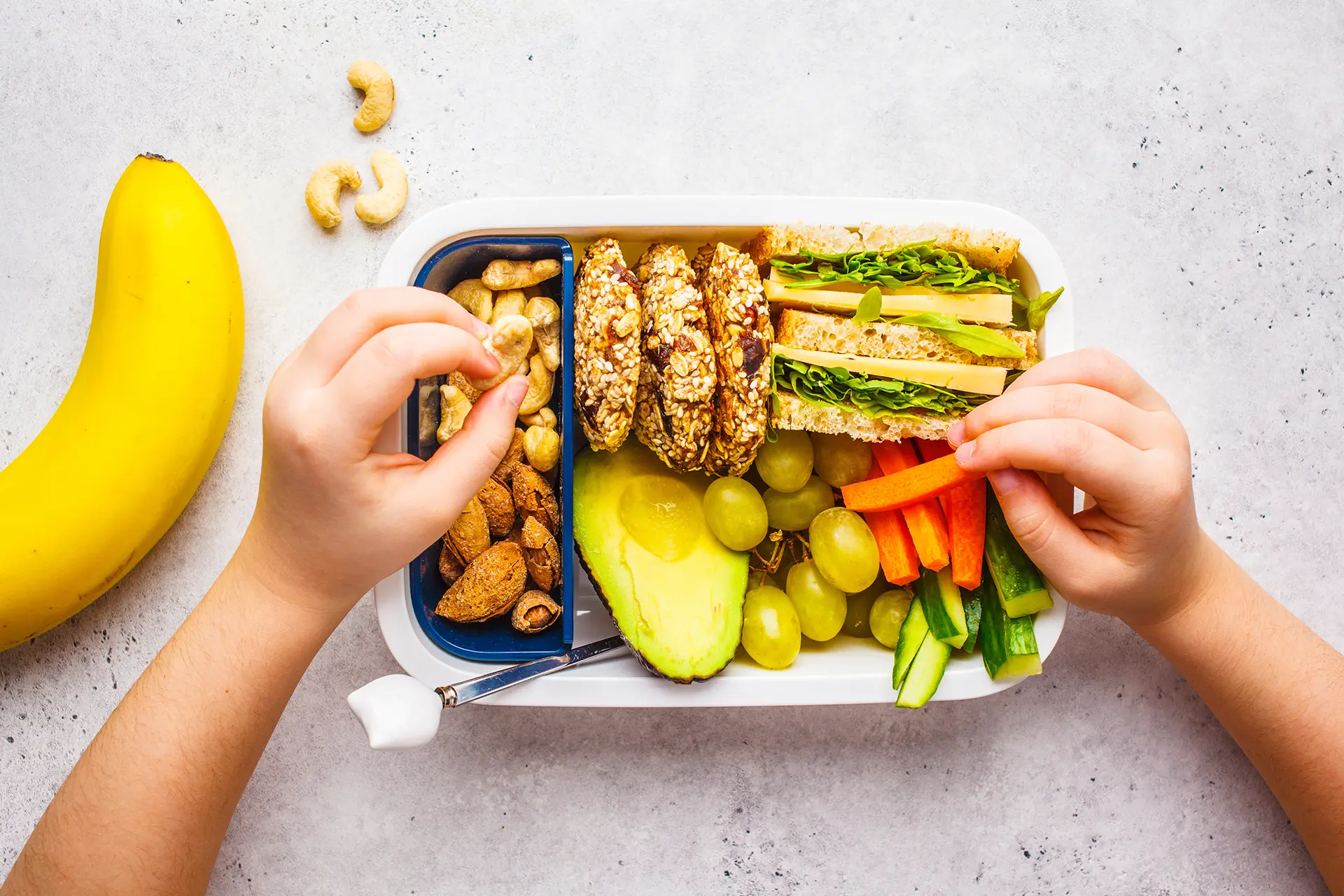
Tooth-friendly foods provide nutrients without exposing the teeth to sugar for long periods. Protein, calcium, fibre and healthy fats can also make snacks more filling, so children are less tempted to graze between meals.
Some nutrients are especially helpful for developing teeth and gums:
- Calcium and phosphorus help build and maintain teeth and bones. Dairy products, tofu, beans, seeds and some leafy greens provide these minerals.
- Vitamin D helps the body absorb calcium. It can be found in fortified milk and milk alternatives, eggs and some types of fish.
- Protein is needed for growth and tissue repair. Children can get it from eggs, meat, fish, beans, lentils, dairy products and tofu.
- Vitamin C helps keep gums and connective tissues healthy. It is found in many fruits and vegetables, including berries, oranges, peppers and broccoli.
- Vitamin A plays a role in tissue development and saliva production. Eggs, dairy products and orange or dark-green vegetables are common sources.
No single food provides everything a child needs. Variety over time is more important than putting together a perfectly balanced snack every time.
What Are the Worst Foods for Teeth?
The hardest foods on teeth tend to be sugary or sticky. Bacteria in dental plaque feed on sugars and certain starches, producing acids that temporarily weaken enamel.
Common examples include:
- Candy, gummies and fruit snacks
- Cookies, pastries and other sweet baked goods
- Sticky granola bars
- Crackers and chips that collect around the teeth
- Juice, pop, sports drinks and sweetened milk
- Dried fruit that clings to chewing surfaces
Children do not have to avoid these foods completely. Frequency matters as much as the food itself. Eating something sweet or sticky once exposes the teeth to acid for a limited time, while nibbling or sipping throughout the day starts that process over and over again.
Simple Ways to Build Healthier Snack Habits
You don’t have to monitor every bite or remove all sweet foods from the house. A few consistent routines are much more realistic.
Offer meals and snacks at set times instead of allowing children to graze throughout the day. Pair carbohydrates with protein, dairy or another filling food, and serve water between meals. When children have sticky treats or sweet drinks, try to include them with a meal.
For more inspiration, download our Healthy Snacks for Growing Teeth chart for simple, child-friendly options.
How Food Fits Into Cavity Prevention
Healthy food choices can lower a child’s cavity risk, but diet is only one part of prevention. Plaque still needs to be removed each day, even when a child eats well.
Children should brush twice a day with fluoride toothpaste and begin flossing once their teeth touch. Regular dental visits allow us to monitor tooth development, spot early signs of decay and recommend care based on the child’s individual needs.
FAQ
Is fruit a healthy snack for teeth?
Whole fruit provides vitamins, fibre and water, making it a better everyday choice than juice or fruit snacks. Dried fruit is more concentrated and sticky, so it is best offered with a meal rather than eaten slowly throughout the day.
Are smoothies bad for children’s teeth?
Smoothies can be nutritious, but they may expose the teeth to natural sugars and acids, especially when children sip them slowly. Serve smoothies with a meal or snack and offer water afterward.
Is cheese good for children’s teeth?
Cheese provides calcium, phosphorus and protein, and it does not contain the added sugar found in many packaged snacks. It can be paired with fruit, vegetables or whole-grain crackers for a more filling snack.
Should children brush their teeth after every snack?
Brushing twice a day with fluoride toothpaste is usually enough. After a snack, drinking water can help rinse away food particles and sugars until it is time to brush.
Support Your Child’s Growing Smile
Before becoming a pediatric dentist, Dr. Kari earned a bachelor’s degree in nutrition. She now brings both areas of training together to help families make sensible choices about food, snacking and cavity prevention without adding more stress to mealtimes.
If you have questions about your child’s diet or cavity risk, Dr. Kari and Dr. Riley can help you make realistic choices that support a healthy, growing smile.
To book an appointment at our pediatric dental office in SE Calgary, call (403) 873-1414 or visit us at 290 Midpark Way SE #200, Calgary, AB T2X 1P1.